Charles II Coins (1660 - 1685)
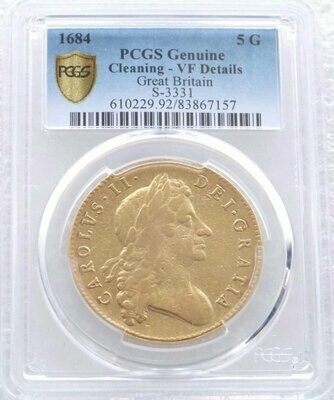
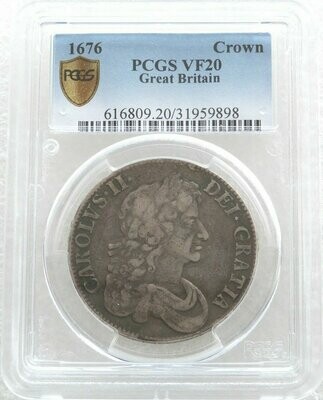
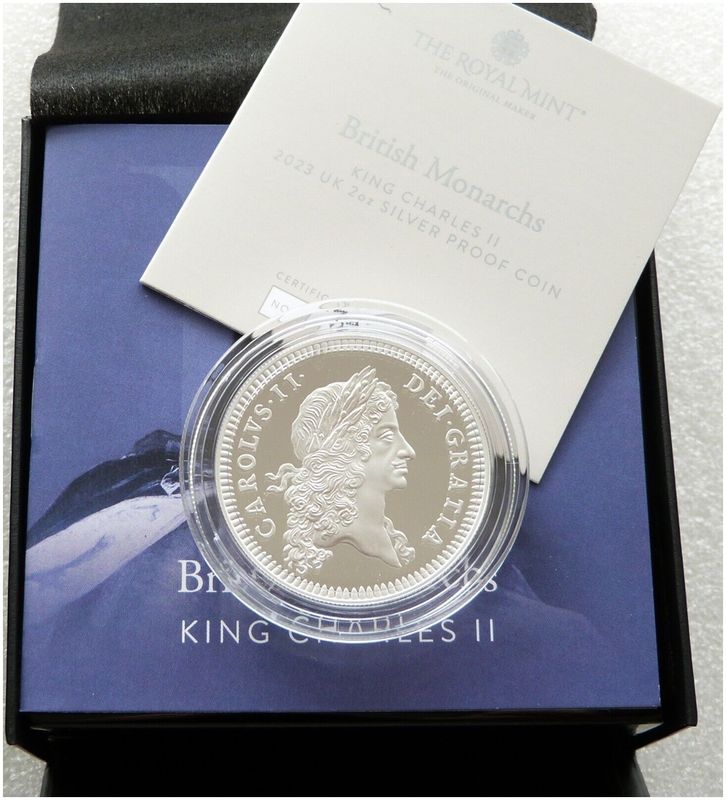
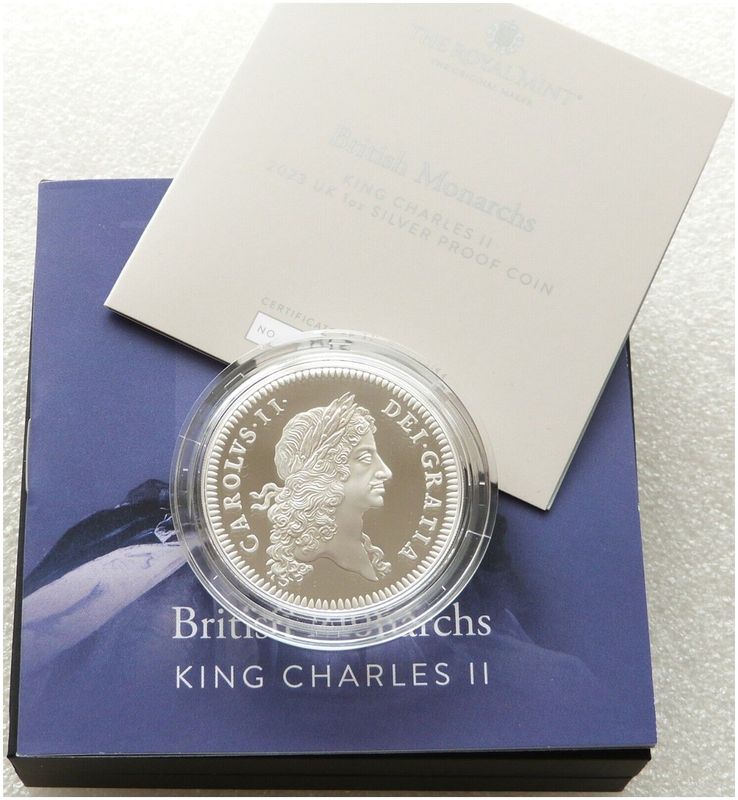
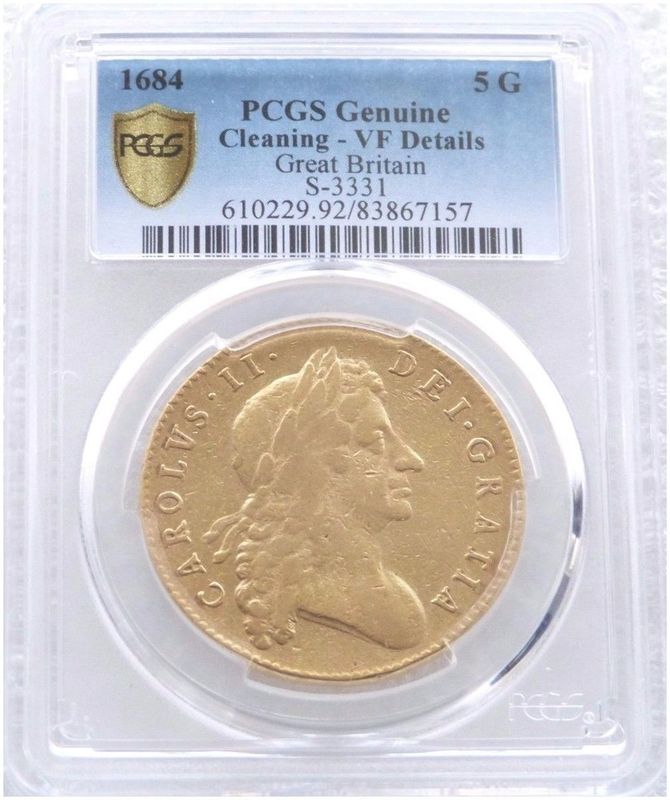
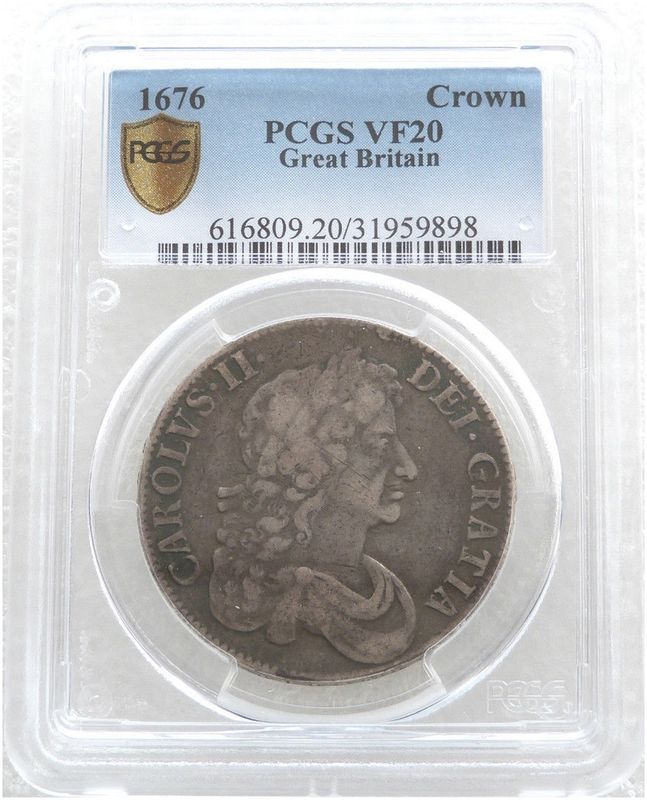
| Discover King Charles II Coins from 1660 to 1685, featuring all official British coinage issued during the reign of King Charles II. This category includes circulating and ceremonial coins from The Royal Mint struck during the Restoration era, covering gold, silver, copper, Maundy, proof, specimen, hammered, milled, and certified graded issues. From the introduction of the Guinea and the first official Britannia copper coinage to famous Crown pieces and early machine-struck coins, King Charles II coinage represents one of the most revolutionary and historically important periods in British numismatic history. Britain’s Restoration Coinage EraKing Charles II returned to the throne in 1660 following the collapse of Oliver Cromwell’s Commonwealth and the restoration of the monarchy after the English Civil War. His reign marked a major transformation in British coinage, both artistically and technologically, as the country transitioned fully from traditional hammered coins to mechanised milled coin production. This category includes all British coins issued under King Charles II between 1660 and 1685, including circulation strikes, Maundy money, hammered transition issues, milled coinage, and gold and silver collector pieces. Denominations issued during the reign included the farthing, halfpenny, penny, groat, sixpence, shilling, half crown, crown, guinea, half guinea, two guineas, and five guineas. Collectors can explore coins featuring portraits engraved by Thomas Simon and the Roettier family, especially John Roettier, whose elegant laureate portrait of Charles II became one of the defining images of Restoration coinage. The reign is particularly important because it completed the mechanisation of British minting, replacing hand-struck hammered coinage with machine-made milled coins that offered greater detail, consistency, and anti-counterfeiting protection. The reign also introduced several iconic innovations in British coinage. The Guinea first appeared in 1663 as a new 22-carat gold denomination sourced partly from West African gold supplied by the Royal African Company. Some examples feature the famous elephant or elephant-and-castle mint marks associated with this gold source. Charles II coinage is equally famous for reintroducing Britannia to British coins for the first time since Roman Britain. Beginning in 1672, Britannia appeared on copper Halfpennies and Farthings, creating a design tradition that continues on British coinage today. The seated Britannia design by John Roettier is said to have been inspired by Frances Stewart, Duchess of Richmond, one of the king’s most famous courtiers. Collectors also highly prize the famous Petition Crown by Thomas Simon, created as a masterpiece petition to regain favour at The Royal Mint after losing the main engraving role to the Roettiers. The coin is widely regarded as one of the finest engraved pieces in British numismatic history. The reign established another lasting numismatic tradition still followed today: alternating the direction faced by each successive monarch on British coinage. Charles II’s portrait faced right, following the left-facing portraiture used during the Commonwealth period, beginning a convention that continues with modern British monarchs. Why Collect King Charles II Coins?King Charles II Coins (1660–1685) remain highly sought after because of:
Explore King Charles II CoinageThis category includes a wide range of British coin issues such as:
Buy King Charles II Coins with ConfidenceAt The London Coin Company, all King Charles II Coins are carefully sourced and authenticated for quality, rarity, and collectability. Whether you are building a Stuart coin collection, collecting early milled British coinage, or researching the Restoration period and the origins of modern British currency, King Charles II Coins offer a unique combination of royal heritage, technological innovation, and enduring numismatic appeal. |