Celtic Coins
| Discover Celtic Coins from the Iron Age, featuring ancient coinage issued by Celtic tribes across Britain and continental Europe from approximately the 4th century BC to the 1st century AD. This category includes rare and historic gold, silver, and bronze coins from The London Coin Company’s ancient and world coin selection, covering tribal issues struck long before the Roman conquest of Britain. The Earliest Coinage in Britain and Northern EuropeCeltic coinage represents some of the earliest money used in Britain, France, and surrounding regions, developed through trade and cultural contact with the Greek and later Roman worlds. Early Celtic tribes initially copied Greek and Macedonian coin designs before developing highly stylised abstract imagery unique to Iron Age Britain and Gaul. This category includes a wide range of Celtic coins issued by tribal societies before Roman occupation, often struck in gold (staters and quarter staters), silver, and bronze, with production concentrated in southern Britain and Gaulish territories. Design and SymbolismCeltic coins are famous for their highly artistic and abstract designs, which evolved from classical influences into distinctly Celtic motifs. Common imagery includes:
Over time, designs became increasingly symbolic rather than realistic, reflecting the cultural identity of individual tribes such as the Iceni, Trinovantes, and Dobunni in Britain. Coin Types and MaterialsCollectors can find a variety of Celtic coin types, including:
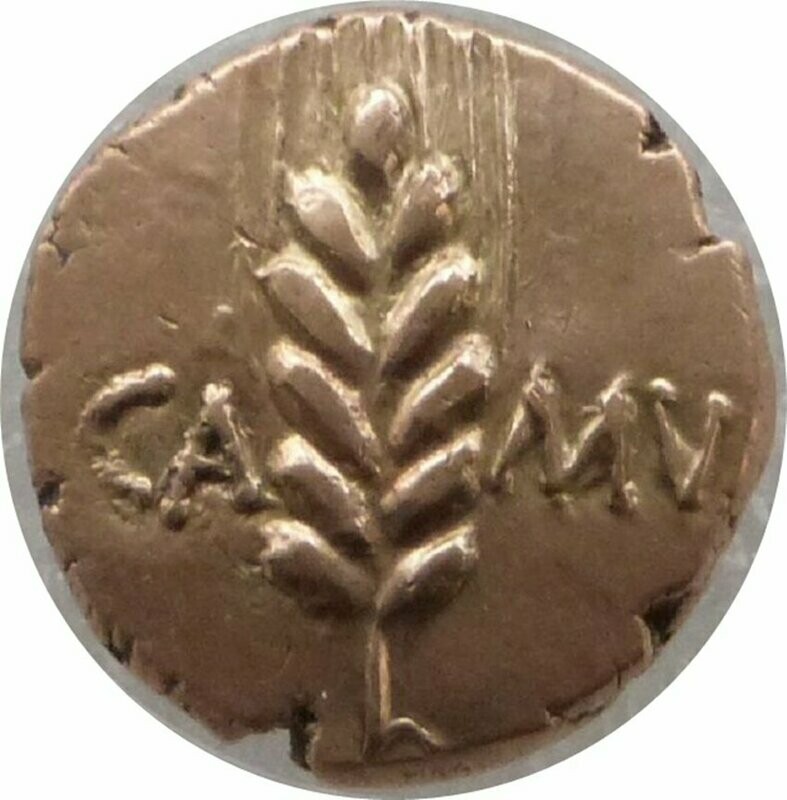
Many British Celtic coins were struck in the final centuries BC and circulated widely across southern Britain, particularly around major tribal centres such as Camulodunum (modern Colchester). Historical ImportanceCeltic coins are not just currency—they are key archaeological and historical records of pre-Roman Britain. They provide evidence of:
Some of the most famous British Celtic coins include issues associated with rulers such as Cunobelinus (Cunobelin), whose gold staters are among the most recognisable Iron Age coins found in Britain. Why Collect Celtic Coins?Celtic Coins remain highly sought after because of:
Explore Celtic CoinageThis category includes a wide range of ancient issues such as:
Buy Celtic Coins with ConfidenceAt The London Coin Company , Celtic Coins are carefully selected for authenticity, historical significance, and collectability. Whether you are beginning an ancient coin collection or expanding into Iron Age Britain and early European history, Celtic Coins offer a direct connection to the origins of money and some of the earliest known societies in Western Europe. |